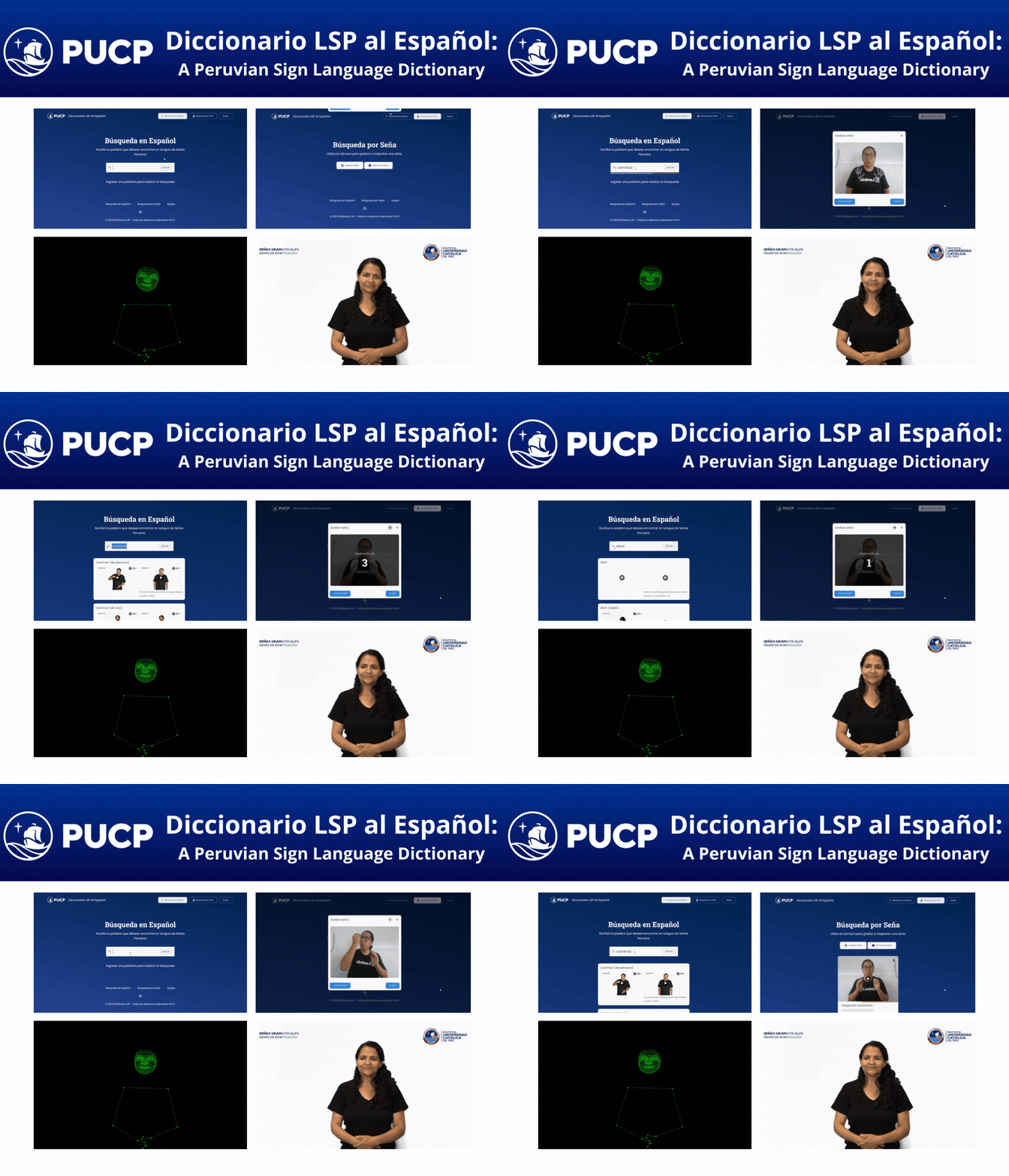
Welcome!👋#
Why LSP is important?#
Peruvian Sign Language (LSP from Spanish) plays a vital role in promoting inclusive development for Deaf individuals. LSP provides a means of communication and expression, enabling signers to interact with their communities, access education, and participate fully in various aspects of life. By bridging the communication gap between the Deaf community and the hearing world, LSP contributes to a more inclusive and equitable society.
Description of the Database#
The PUCP305 Database is part of a larger collection of LSP databases with signs, sentences, narrations and dialogues, put together by the Research Group Señas Gramaticales from the Pontifical Catholic University of Peru (PUCP). The various databases feature different sets of data elicitated in controlled environments, recorded from dozens of Deaf LSP signers; it serves as a valuable resource for documenting LSP. The goal is to promote the dissemination and preservation of Peruvian Sign Language, encouraging its teaching and fostering cross-cultural understanding.
In particular, the PUCP305 Database encompasses a wide array of terms, each accompanied by videos, Spanish translations, sign language transcriptions, and example sentences. From this, 511 glosses and 374 unique classes or lemmas were selected. These terms have been recorded from a total of 275 sentence videos. Each video and its corresponding transcription contribute to a deeper understanding of signs and their usage context.
Contributors#
Linguistics and the Deaf Community#
The development of the Dictionary LSP and the PUCP305 Database is a collaborative effort between linguistics experts and the Deaf community. Linguistics experts, such as Miguel Rodríguez Mondoñedo, César Ramos and Francisco Cerna, Sabina Oporto, and Alexandra Arnaiz, contribute their knowledge and expertise to ensure accurate translations and sign language transcriptions. A group of LSP signers (Ana Rosa Moreno Sinchi y Juan Villamonte) and CODA annotators (Jocelyn Zúñiga y Abraham Ramírez) lead by Juan Villamonte, provided invaluable insights into the language and culture of LSP. This collaboration ensures that the Dictionary LSP is comprehensive and reflective of the needs and experiences of the deaf community.
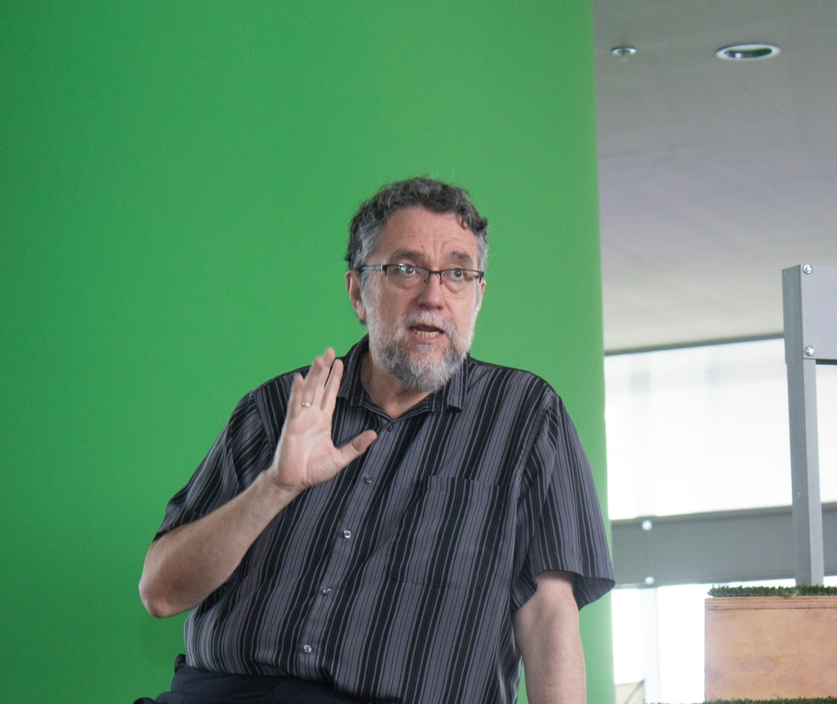
Miguel Rodríguez Mondoñedo
Líder de Lingüística
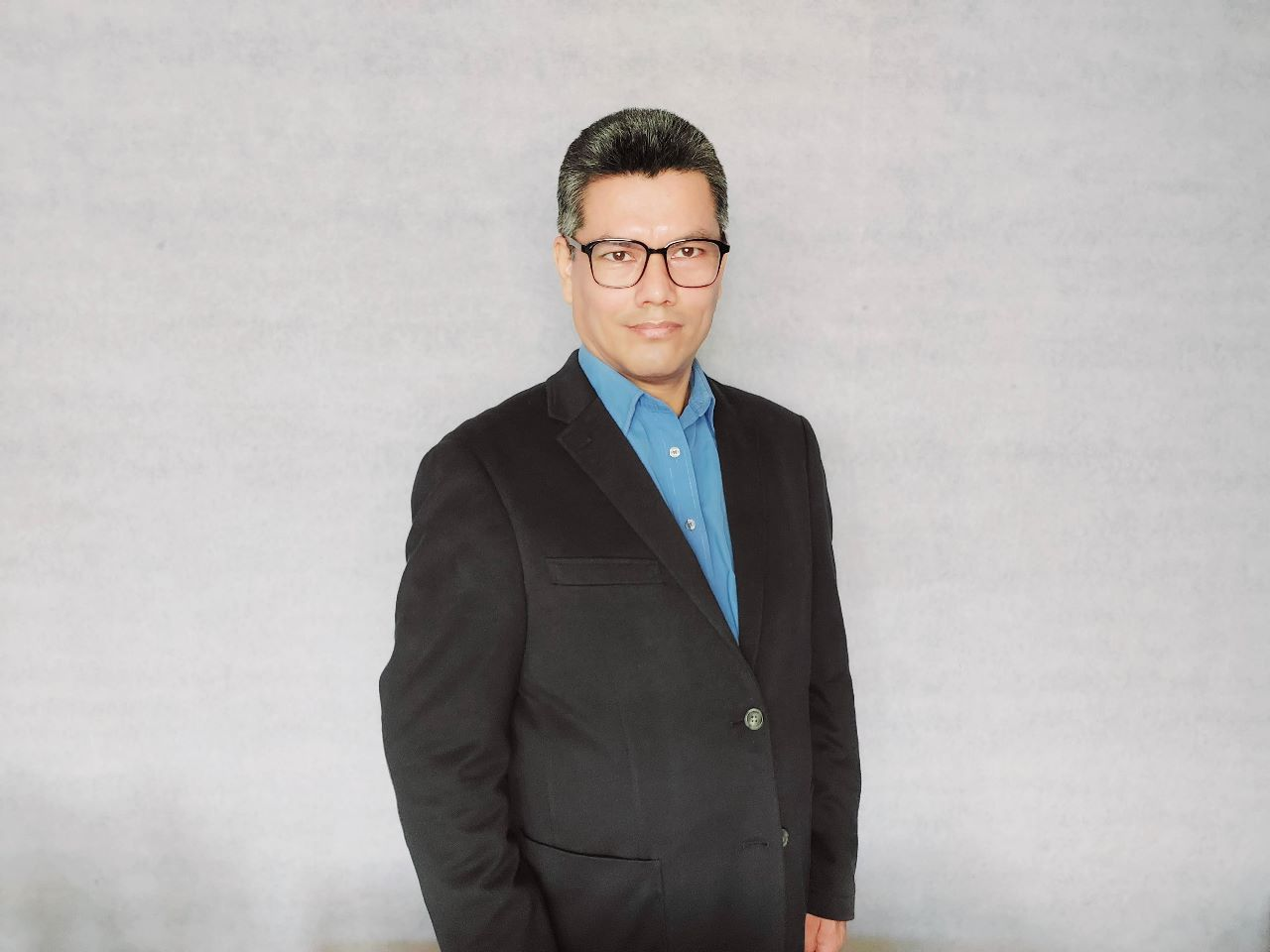
Juan Villamonte
Consultor LSP
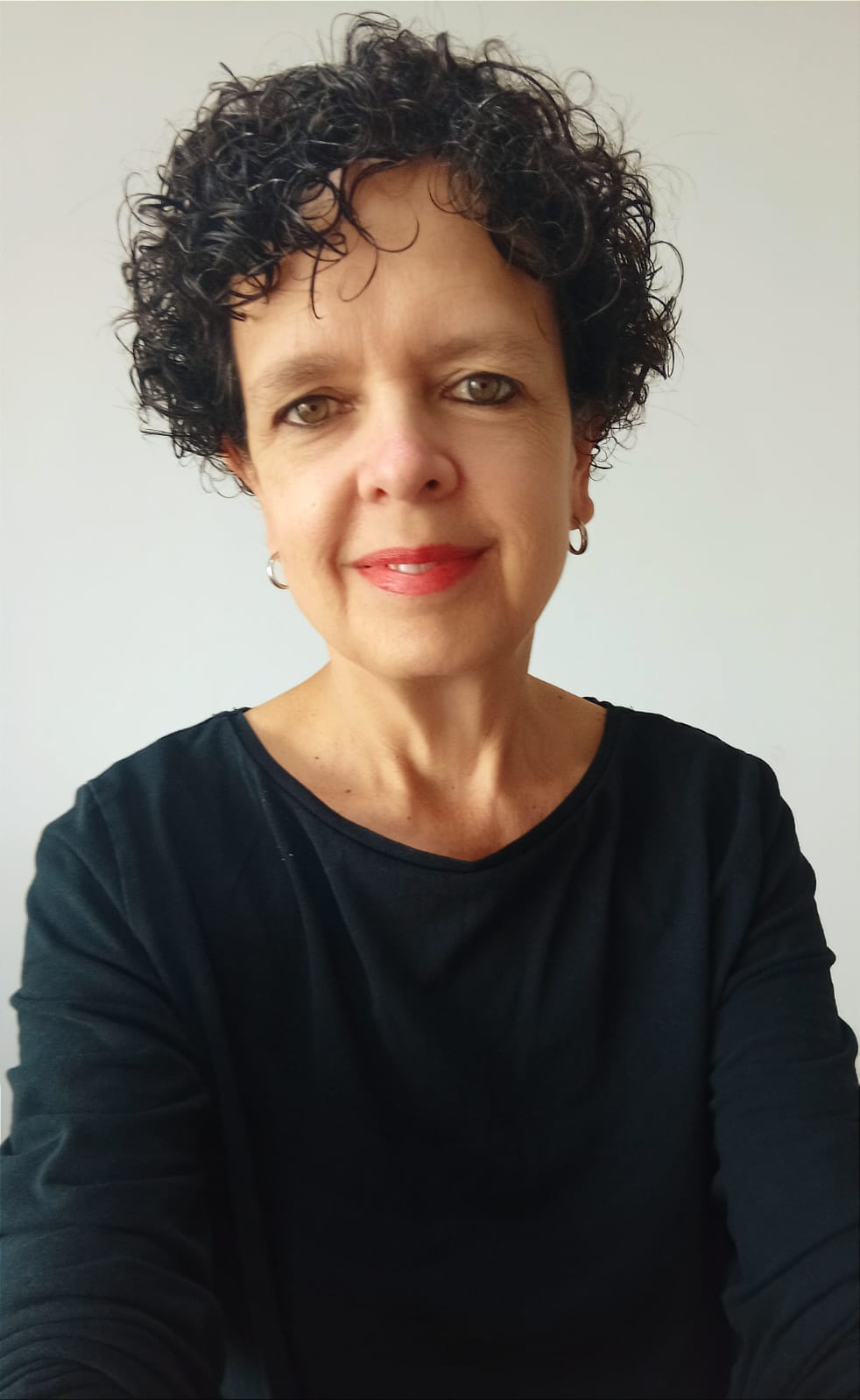
Alexandra Arnaiz
Intérprete de Lengua de Señas Peruana
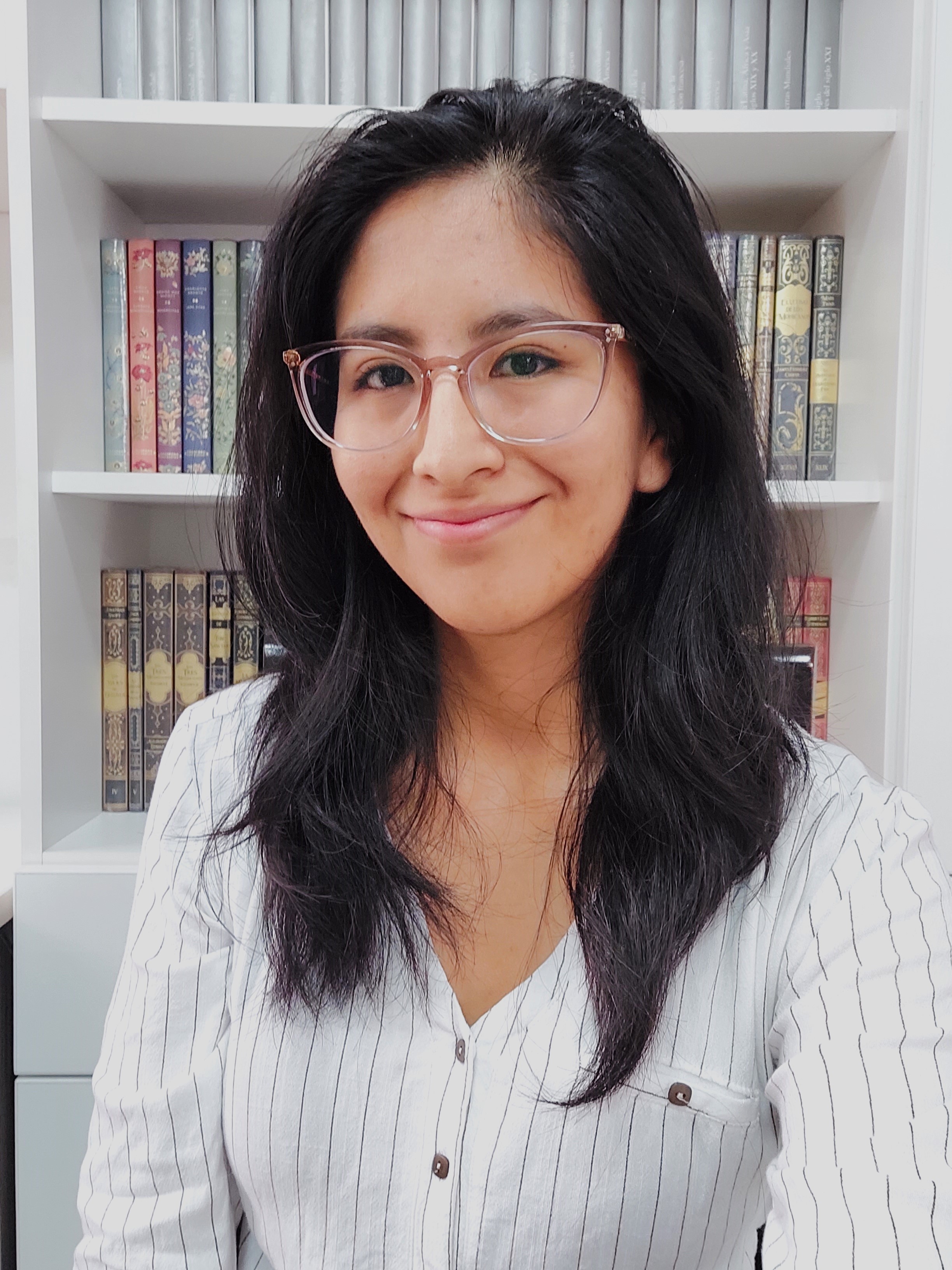
Sabina Oporto
Gestora de Anotaciones LSP y Voluntarios

Francisco Cerna
Apoyo de Anotación y protocolo de pruebas

César Ramos
Apoyo de Anotación
Code Contributors#
The development of the LSP Service involves the contributions of dedicated software developers and engineers. These code contributors, including Gissella Bejarano, Joe Huamani, and Carlos Vásquez, worked tirelessly to develop and maintain the infrastructure, algorithms, and systems that power the service. Their expertise in software development and machine learning enables the accurate and efficient translation of Spanish text and video into LSP and viceversa. Furthermore, this accomplishment couldn’t be done without the help of volunteer members who supports the development of the LSP Web in their different stages.
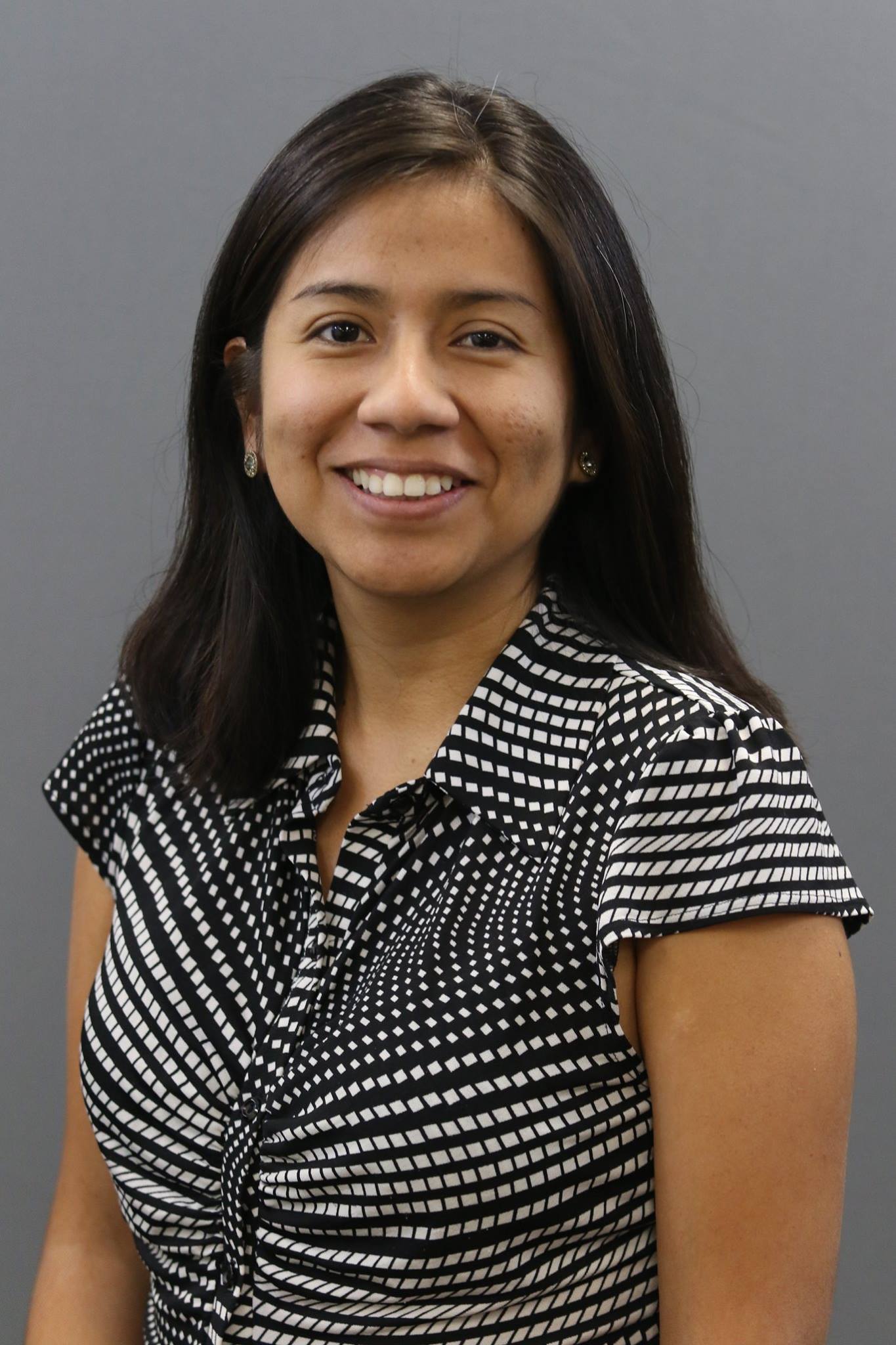
Gissella Bejarano
Líder de Inteligencia Artificial

Joe Huamaní Malca
Ingeniero de Aprendizaje de Máquina / Machine Learning Engineer
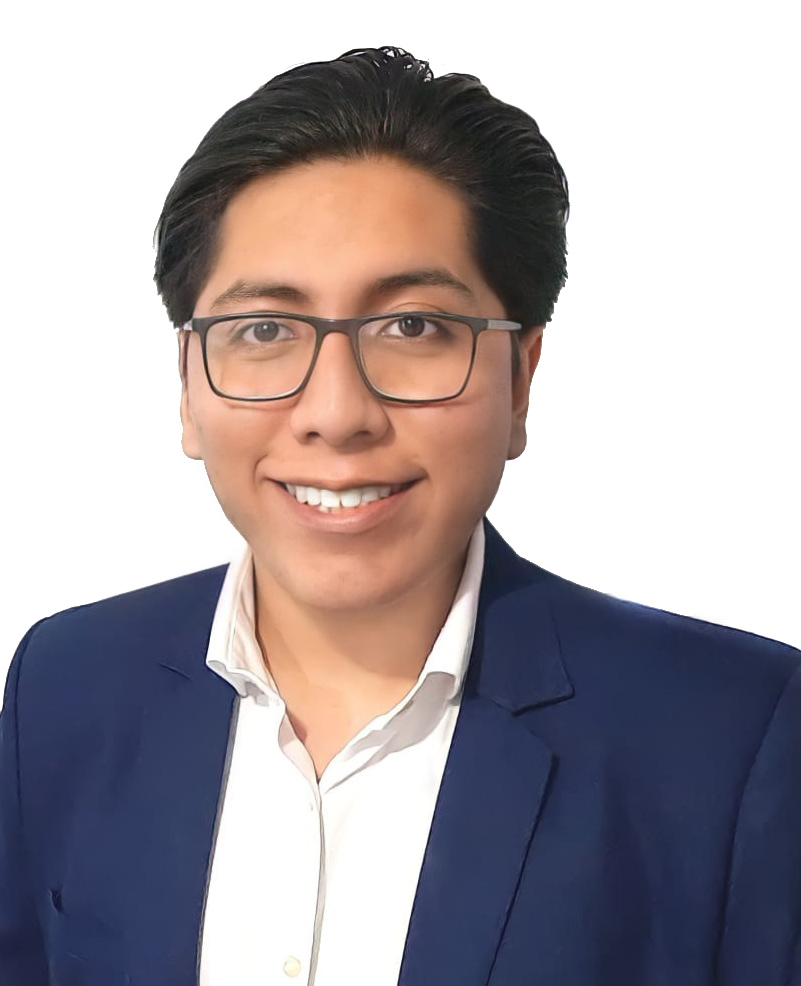
Carlos Vasquez
Ingeniero de Datos / Data Engineer
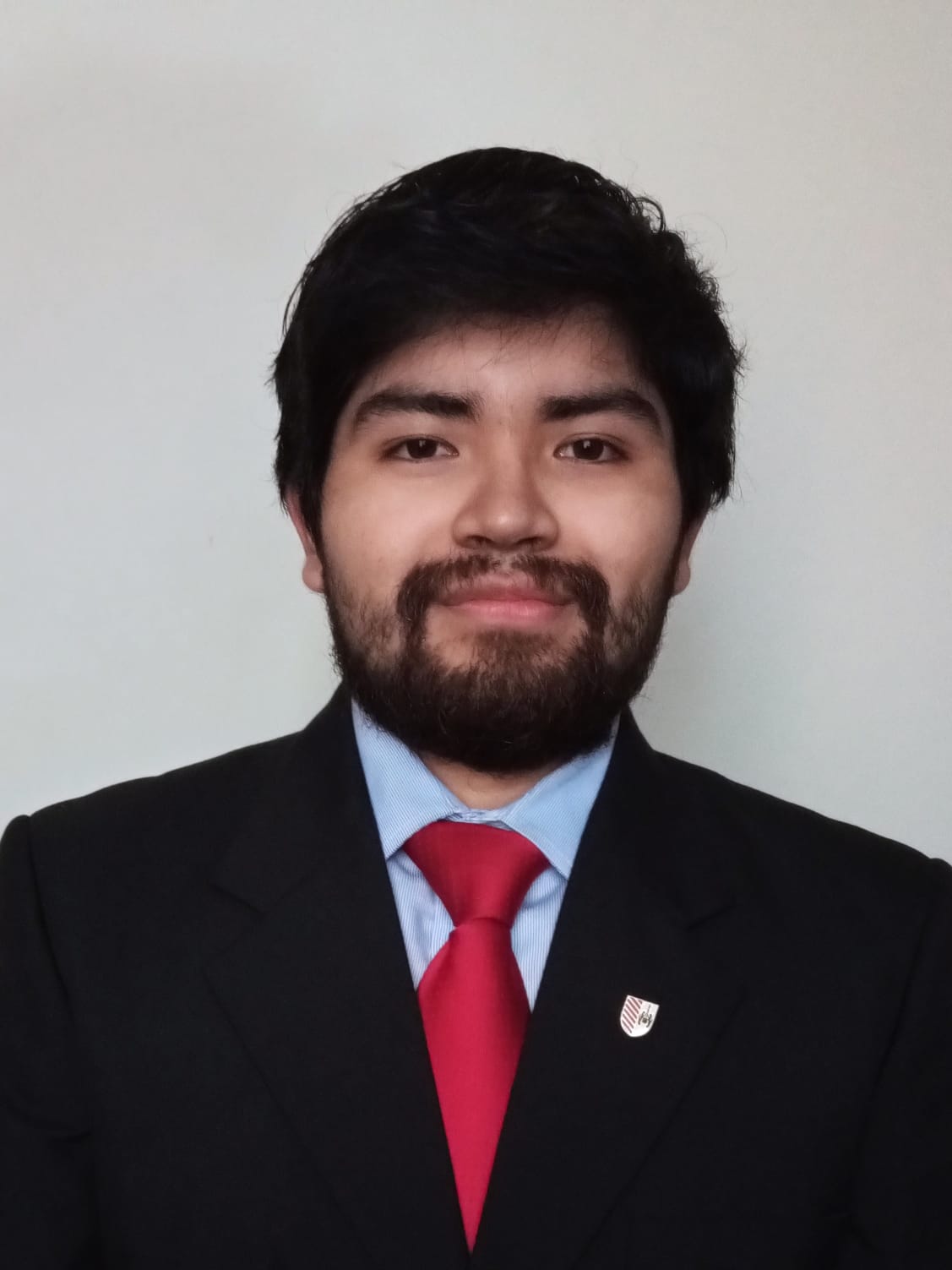
Julio Mendoza
Ingeniero de la Nube / Cloud Engineer

Jenny Vega
Asesora en AWS
Daniel Carbajal
Asesor en AWS y de Desarrollo de Software
Corrado Daly
Soporte de la Nube
Rossy Latorraca
Soporte de Interfaz Web